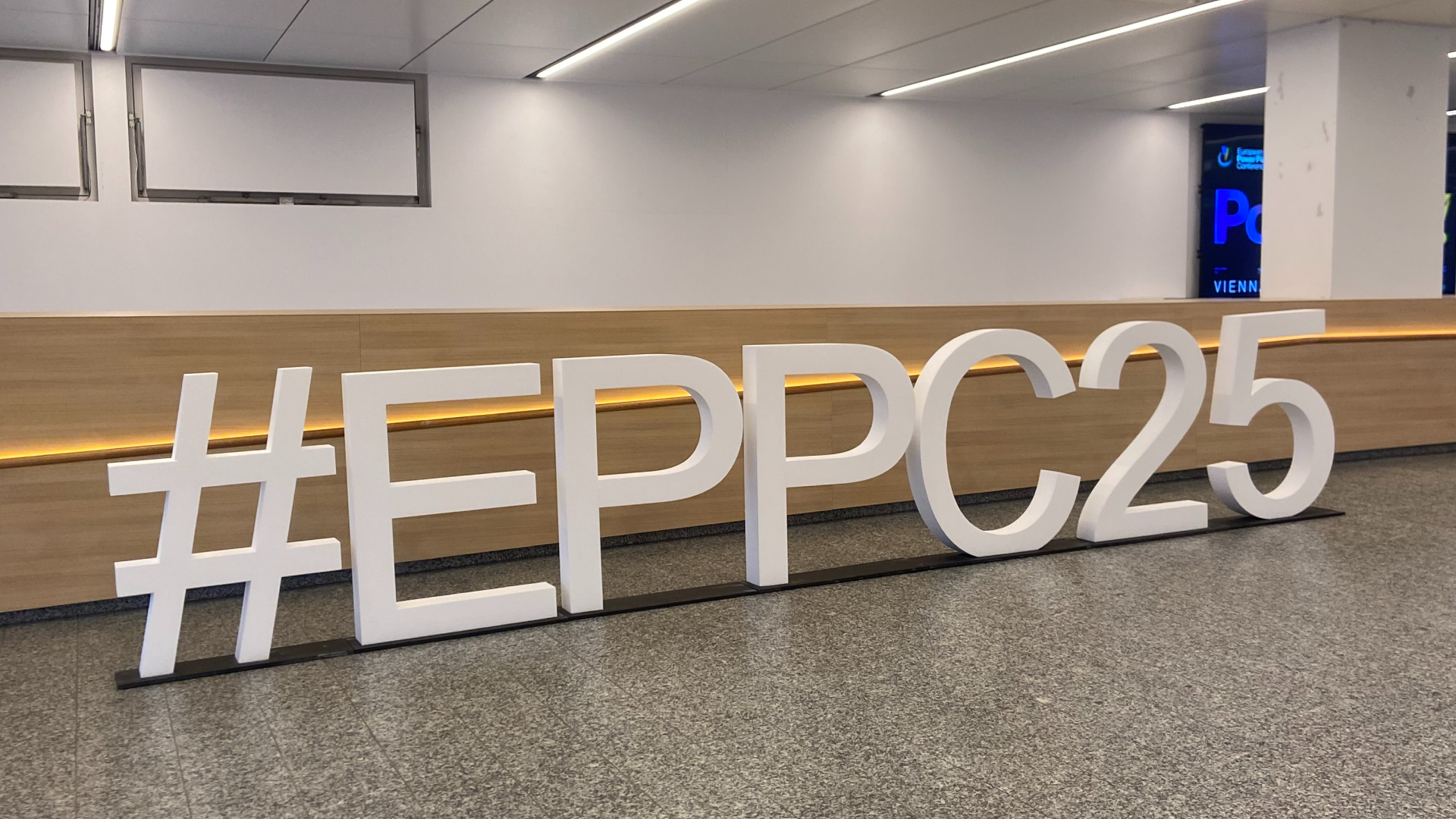
European Power Platform Conference Vienna: AI Agents, Best Practices, and Real-World Takeaways
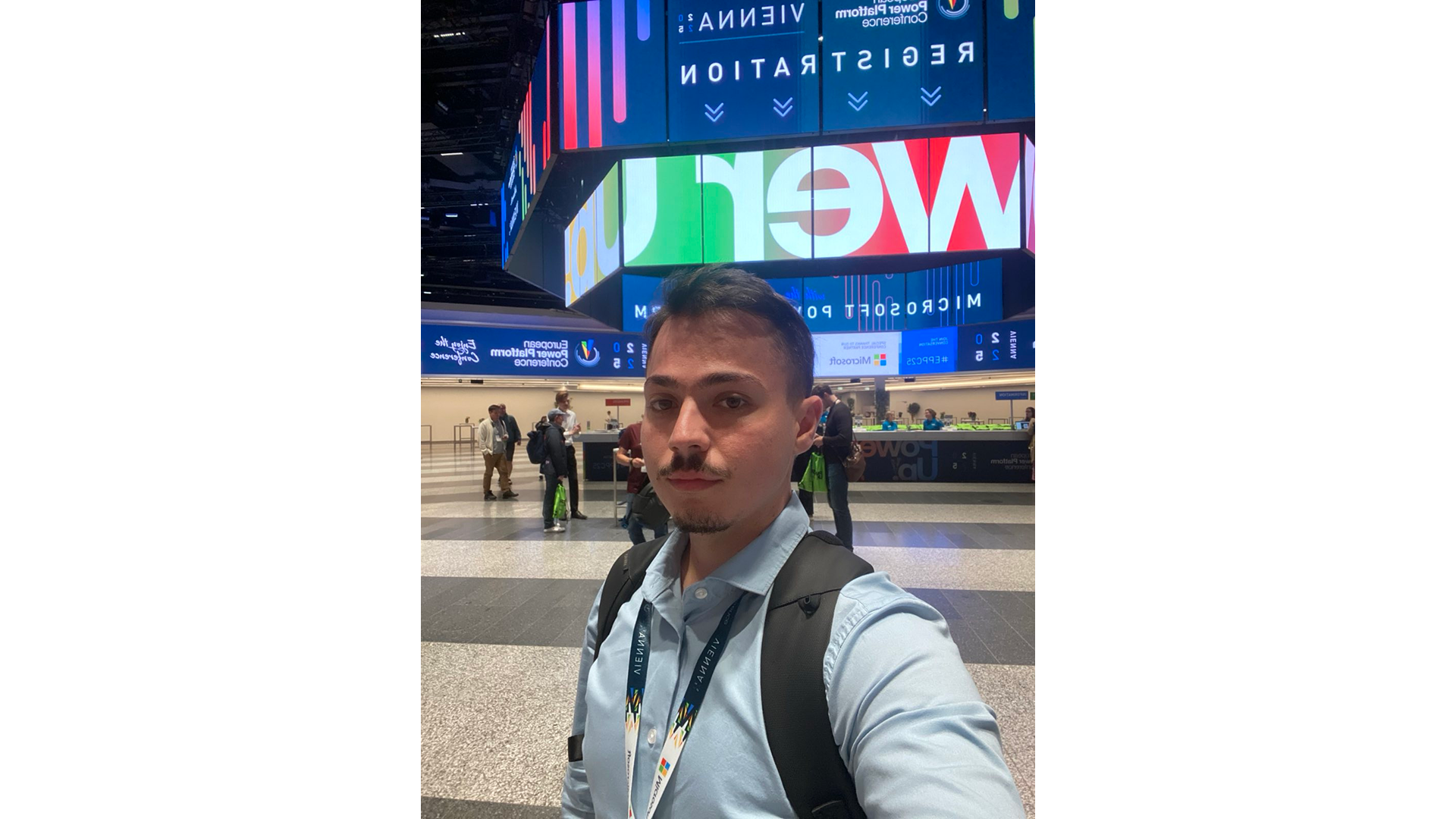
Last week, I had the opportunity to attend the European Power Platform Conference (EPPC) in Vienna—and it was honestly a great experience from start to finish.
EPPC is one of the most important events for anyone working seriously with Power Apps, Power Automate, Power BI, and the broader Microsoft Power Platform ecosystem. The conference delivered several intense days filled with deep technical sessions, real-world case studies, and conversations with people who are actively shaping enterprise Power Platform solutions across Europe and beyond.
I left Vienna with new ideas, fresh motivation, and a clearer picture of where the platform is heading.
Why EPPC Matters
What truly sets EPPC apart is its focus on real-world usage, not just feature announcements or marketing demos.
The conference brings together:
- Microsoft engineers and product group members
- MVPs and recognized community experts
- Enterprise architects and makers
- Consultants building Power Platform solutions at scale
The result is content that goes far beyond “how to build a simple app” and instead focuses on:
- Architecture and design decisions
- Governance and ALM strategies
- Performance, scalability, and maintainability
- Integration with Azure, SQL, and external systems
This practical focus makes EPPC extremely valuable for anyone building production-grade solutions.
AI Agents: A Look into the Future of Power Platform
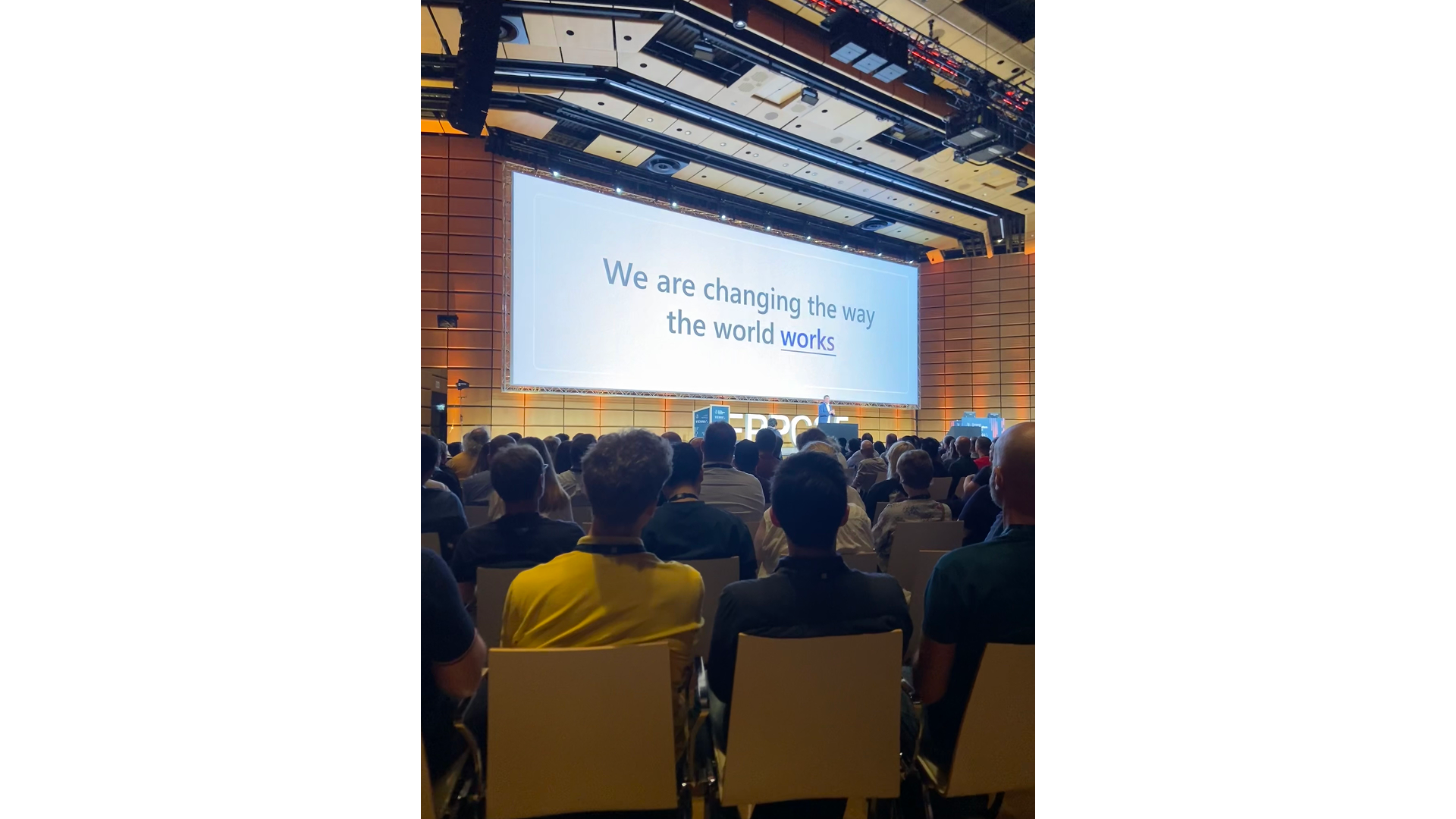
One of the biggest highlights of this year’s conference was the introduction and discussion around AI Agents.
AI Agents represent a major shift in how automation and apps will be designed:
- They go beyond traditional flows and bots
- They can reason, plan, and orchestrate actions
- They combine AI, automation, and business logic in a much more intelligent way
Seeing Microsoft’s vision for AI Agents made it clear that Power Platform is moving toward smarter, more autonomous solutions, especially for complex enterprise scenarios.
This was one of the most exciting topics of the conference and a strong indicator of where the platform is heading next.
Technical Sessions and Best Practices That Stood Out
Another strong aspect of EPPC was the technical depth of the sessions.
Many talks focused on topics such as:
- Building enterprise-grade Power Apps
- Advanced Power Fx patterns
- Error handling and observability in Power Automate
- Dataverse vs. SQL decision-making
- Security, governance, and environment strategies
- Error handling, in particular, was a recurring theme.
It’s clear that robust error handling is no longer optional—it’s a foundational requirement for reliable Power Platform solutions.
What I appreciated most was that speakers openly discussed limitations, trade-offs, and lessons learned, not just ideal scenarios.
Power Apps Is Clearly Maturing
A consistent message across many sessions was how quickly Power Apps is evolving from a low-code tool into a serious application platform.
Features such as:
- User-defined functions
- Component libraries
- Improved Power Fx capabilities
- Better integration with Azure services show that Microsoft is actively addressing long-standing challenges faced by professional developers.
This aligns perfectly with how many teams are already using Power Apps today—building business-critical systems, not just small internal tools.
The Power of Community and Conversations
Beyond the sessions themselves, some of the most valuable insights came from talking to people.
I met and spoke with:
- Developers and architects from different countries
- Consultants working on large enterprise implementations
- Community members facing the same challenges I see in real projects
Common topics kept coming up:
- Maintaining large Power Apps over time
- Balancing speed with governance
- Designing consistent error handling
- Monitoring and debugging Power Automate flows in production
Meeting so many people and exchanging experiences was both reassuring and motivating. It reminded me how strong and open the Power Platform community really is.
Vienna as a Venue
Vienna turned out to be an excellent host city for the conference:
- Easy to navigate
- Well-organized venue
- Great atmosphere for networking after sessions
The relaxed but professional environment made it easy to connect with people and continue technical discussions outside the conference rooms.

Key Takeaways
My biggest takeaways from EPPC Vienna:
✔ Power Platform is clearly moving toward enterprise maturity
✔ AI Agents will play a major role in future solutions
✔ Strong architecture and error handling are essential
✔ Power Fx is becoming a more expressive language
✔ Community knowledge-sharing is one of the platform’s biggest strengths
Final Thoughts
Attending the European Power Platform Conference in Vienna confirmed something I strongly believe:
Power Platform rewards those who treat it like a real engineering platform.
EPPC was not just informative—it was inspiring. I walked away with new best practices, fresh perspectives, and a lot of ideas I’m excited to apply in my own projects.
I’m already looking forward to the next edition—and who knows, maybe next time even as a speaker.